Trenchless Sewer Replacement in Mesa, AZ
If your sewer line needs to be replaced, you no longer have to choose between a damaged yard and a damaged budget. Mesa Plumbing Company offers trenchless sewer replacement throughout Mesa and the East Valley, letting us replace a failing sewer line without tearing up your driveway, landscaping, or foundation the way a traditional dig would.
Fix sewer line problems without the hassle. Call Mesa Plumbing Company at (480) 725-1050 or contact us online to schedule trenchless replacement.
Signs You May Need Sewer Line Replacement
Not every sewer problem means full replacement, but a few signs point strongly in that direction.
- Multiple drains backing up or gurgling at the same time, not just one fixture
- Sewage odor in your yard, or a consistently soggy patch of grass with no other explanation
- Repeated clogs in the same section of line even after professional cleaning
- A camera inspection showing a collapsed, badly offset, or deteriorated pipe rather than an isolated clog
- A sewer line made of clay or cast iron pipe, both commonly installed in homes built before the 1970s and 80s and now reaching or past the end of their service life
If you are seeing more than one of these signs, a camera inspection can tell you whether you are looking at a repair or a full replacement.
Trenchless vs. Traditional Sewer Replacement in Mesa
Mesa homeowners now have two ways to replace a failing sewer line, and the right one depends on your pipe's condition.
Traditional Open-Trench Replacement
A traditional replacement means digging a trench along the entire length of the sewer line, which can mean cutting through concrete, mature landscaping, or a section of driveway depending on where your line runs. It is sometimes still the right call, particularly when a line has collapsed completely or shifted out of alignment, but it is the more disruptive and typically more expensive option.
Trenchless Sewer Replacement
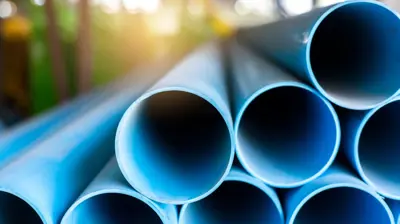
Trenchless replacement uses one of two methods. Pipe lining inserts a resin-coated liner into the existing pipe and cures it in place to form a new pipe inside the old one. Pipe bursting pulls a new pipe through the old line while a bursting head fractures the damaged pipe outward. Both methods typically require only one or two small access points instead of a full trench, which means less damage to your yard, driveway, or hardscaping and a shorter project timeline.
Why Root Intrusion and Mesa's Soil Make Trenchless the Right Call Here
Mature citrus trees and block wall plantings are common throughout established East Valley yards, and tree roots actively seek out the moisture inside a sewer line. Once roots find a hairline crack or a separated joint in an aging clay or cast iron line, they grow inside the pipe and expand the damage over time.
Mesa's caliche and expansive clay soil adds to the problem, since the ground shifts with moisture and heat and can separate pipe joints that were otherwise sound. Replacing a line with trenchless methods means we are not opening a full trench that exposes fresh pipe to the same root activity and soil movement that damaged the original line in the first place.
Our Trenchless Sewer Replacement Process
We start with a camera inspection to see the exact condition, material, and layout of your existing line, since that determines whether pipe lining or pipe bursting is the better fit and whether trenchless is an option at all. We give you upfront pricing based on what the camera shows, not a generic estimate.
Mesa sewer lines commonly run four to six feet deep, and some older installations run deeper, so we confirm access points before work begins rather than discovering problems mid project. Once you approve the plan, we complete the replacement through minimal access points, test the new line, and restore the access areas when the job is finished.
Serving Mesa and the Surrounding East Valley
We provide trenchless sewer replacement throughout Mesa and the greater East Valley, including homes across Maricopa County. Whether your home sits in one of Mesa's established neighborhoods with mature landscaping or a newer development, we can evaluate your sewer line and tell you whether trenchless replacement is the right fit for your property.
Frequently Asked Questions
How do I know if my sewer problem needs replacement instead of a repair?
A camera inspection is the only reliable way to know. If the inspection shows an isolated crack or a single root intrusion point, a spot repair may be enough. If it shows a pipe that is collapsed, badly offset, or deteriorated along its length, replacement is typically the more durable choice.
Is trenchless sewer replacement always possible?
Not always. Trenchless methods work best when enough of the original pipe's shape and path are intact to accept a liner or guide a new pipe through. A severely collapsed section or a sharp change in pipe direction can sometimes require traditional excavation instead. We will tell you honestly which option fits your line.
Will tree roots come back after trenchless replacement?
A new trenchless pipe is far more resistant to root intrusion than old clay or cast iron pipe, since it has no porous surface or loose joints for roots to exploit the way older materials do. Established trees near the line can still be a long-term consideration, which we will point out during your estimate.
How long does trenchless sewer replacement take?
Many trenchless projects are completed in one to two days, compared to several days or more for a traditional dig, though the exact timeline depends on the length and condition of your line.
Does trenchless sewer replacement cost more than traditional replacement?
It depends on the project. Trenchless methods often cost less once you factor in restoring landscaping, driveways, or concrete that a traditional dig would require. We give you a direct comparison during your estimate so you can decide what makes sense for your property.
Call (480) 725-1050 to schedule service with Mesa Plumbing Company today.

Stay In The Know
-
 Why Water Pressure Issues Often Start in the Fall SeasonRead More
 -
Why Your Water Bill Suddenly Increased After SummerRead More
-
Can Arizona Heat Melt or Warp PVC Pipes?Read More
-
Pool Plumbing Tips for Safe Summer UseRead More
-
Safety Tips for DIY Plumbing ChecksRead More
-
Gilbert Water Bills Are Rising—Here’s How to Cut CostsRead More
-
Fix Slow Drains Before They Become EmergenciesRead More
-
How to Winterize Your Pipes and Avoid Costly RepairsRead More