Living in the desert means dealing with extreme temperatures that affect more than just your electric bill. As the summer sun beats down on Mesa, many homeowners wonder if their plumbing is at risk. Specifically, can the intense Arizona heat actually melt or warp the PVC pipes running through your home or yard? Understanding how your plumbing reacts to high temperatures is the first step in protecting your property.
Need immediate help with your home's plumbing? If you are worried about heat damage or have a leak, contact the team at Mesa Plumbing Company through our online contact form or call us at (480) 725-1050 for reliable support.
Understanding PVC and High Temperatures
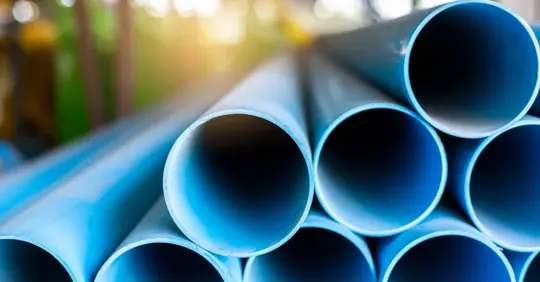
PVC, or polyvinyl chloride, is a type of plastic commonly used for drain lines and underground water mains. While it is incredibly durable, it does have a limit when it comes to heat. Most standard PVC pipes are rated for temperatures up to 140 degrees Fahrenheit.
In Arizona, surface temperatures on the ground or inside unventilated attics can easily exceed 140 degrees during a heatwave. While the pipes are unlikely to "puddle" or melt into liquid, they can reach a state where they become soft and pliable. This is often referred to as "heat deflection."
- Softening: Once the plastic becomes too hot, it loses its rigidity.
- Warping: If a softened pipe is under pressure or not properly supported, it may sag or bend.
- Joint Failure: Extreme heat can cause the seals and glue at the joints to weaken over time.
How the Arizona Sun Impacts Your Plumbing
The biggest threat to PVC in Mesa isn't just the ambient air temperature; it is direct UV exposure. If you have PVC pipes exposed on the side of your house or near pool equipment, the sun can cause "UV degradation." This process breaks down the plastic's structure, making it brittle and prone to cracking.
To keep your system running smoothly, consider these protective steps:
- Paint Exposed Pipes: Using a light-colored, UV-resistant latex paint can reflect the sun and protect the plastic.
- Insulation: Wrapping exposed pipes can provide a barrier against both extreme heat and rare winter freezes.
- Proper Support: Ensure that pipes in attics are secured with hangers every few feet to prevent sagging if they soften.
If you notice your outdoor pipes looking charred, discolored, or slightly bent, it might be time to have a professional plumber in Mesa, AZ take a look. Catching these issues early can prevent a major leak down the road.
Common Signs of Heat-Damaged Pipes
It is not always obvious when a pipe has been affected by the heat, especially if it is hidden behind a wall or underground. However, there are a few red flags that indicate your plumbing might be struggling with the summer weather.
- Low Water Pressure: If a pipe has warped or slightly collapsed, it can restrict water flow to your home.
- Visible Sagging: In basements or crawlspaces, you might see lines that no longer run straight.
- Discolored Plastic: PVC that has turned slightly brown or yellow is often a sign of sun damage.
While PVC is generally safe for cold water and drainage, it is rarely used for hot water lines inside the home for this very reason. Most modern homes use CPVC or PEX for hot water, as these materials are designed to handle much higher temperatures without losing their shape.
Protect Your Home This Summer
Maintaining your plumbing is about more than just fixing leaks; it is about being proactive before the peak of summer hits. By checking your exposed lines and ensuring your attic is well-ventilated, you can help extend the life of your plumbing system.
If you have concerns about the condition of your pipes or need a professional inspection, Mesa Plumbing Company is here to help. Our team provides expert residential plumbing services to keep your home comfortable and dry. Contact Mesa Plumbing Company today at (480) 725-1050 to speak with a local expert.